The Invisible Layer of Human Capability
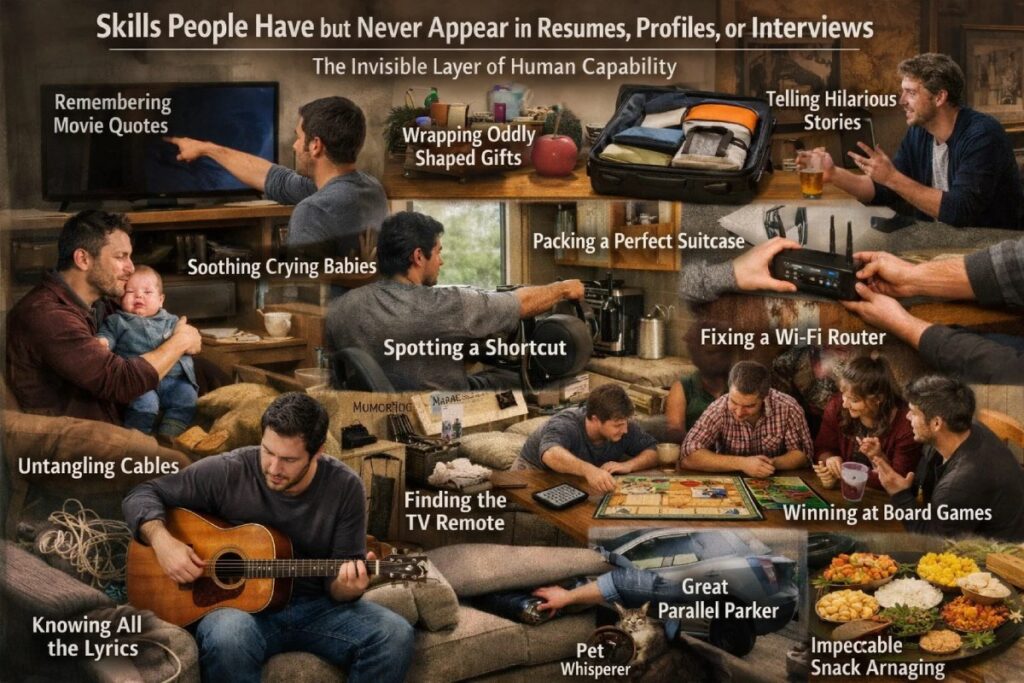
In modern professional environments, individuals are typically evaluated through resumes, online profiles, and structured interviews. These tools aim to summarize a person’s abilities, achievements, and experiences in a concise format. However, such methods capture only a small portion of a person’s real capabilities. Many valuable skills remain invisible because they are difficult to quantify, difficult to articulate, or simply never documented. As a result, organizations often make decisions based on incomplete representations of human potential.
The gap between documented skills and actual abilities creates a hidden layer of capability within the workforce. Employees may possess remarkable strengths that never appear on paper, not because they lack importance, but because traditional professional systems are not designed to capture them. Understanding these unseen competencies is essential for building more accurate and effective systems of talent evaluation.
Contextual Intelligence and Real-World Judgment
One category of hidden skills involves contextual intelligence, the ability to make sound decisions when circumstances are unclear or rapidly changing. In real working environments, many problems do not come with clear instructions or predefined frameworks. People who can analyze ambiguous situations, prioritize information, and take practical action often contribute significantly to team success.
Yet contextual judgment rarely appears in resumes because it emerges through real situations rather than formal achievements. It becomes visible only when someone is placed inside a complex environment where decisions must be made quickly and responsibly. Traditional hiring processes struggle to identify this skill because interviews often rely on hypothetical scenarios rather than observing genuine problem solving.
Emotional Regulation Under Pressure
Another overlooked capability is emotional regulation during stressful or uncertain conditions. Many professionals perform adequately in calm situations, but the true difference between individuals often appears when pressure increases. The ability to remain calm, think clearly, and support others during difficult moments is a powerful professional skill.
This capability does not easily translate into bullet points on a resume. Few people write statements such as “maintains stability during organizational crises,” even though such qualities can determine whether teams remain functional during challenging periods. In practice, organizations rely heavily on individuals who quietly maintain composure and help others navigate stressful environments.
Informal Leadership and Influence
Leadership is often associated with formal titles such as manager, director, or team lead. However, influence within organizations frequently emerges from individuals who hold no official authority. These people coordinate communication, help resolve conflicts, and naturally guide teams toward productive outcomes.
Because informal leadership develops through trust and interaction rather than job titles, it often remains undocumented. A person may quietly connect colleagues, clarify misunderstandings, or support collaboration across departments without ever receiving formal recognition. Nevertheless, these individuals often become central pillars of organizational stability and progress.
Learning Agility and Self-Directed Growth
A significant number of professionals possess strong learning agility, meaning they can quickly absorb new knowledge and adapt to unfamiliar tools, technologies, or environments. This skill becomes especially valuable in fast-moving industries where information evolves rapidly and formal training programs cannot keep pace with change.
However, learning agility is difficult to demonstrate through static documents. A resume can show completed certifications or past roles, but it rarely communicates how quickly someone can acquire entirely new competencies when required. The true measure of this skill appears only when individuals face new challenges and successfully teach themselves the knowledge needed to overcome them.
Practical Problem Solving in Unstructured Environments
Many individuals develop practical problem-solving abilities through hands-on experience rather than formal education. These abilities often emerge in environments where resources are limited and solutions must be created creatively. People who regularly work through constraints become skilled at identifying workable solutions even when ideal conditions are unavailable.
Despite its value, this kind of capability rarely appears in professional profiles because it is usually embedded within everyday actions rather than major achievements. It may involve fixing operational issues, finding efficient shortcuts, or designing improvised processes that keep projects moving forward. Such contributions are often invisible but highly impactful.
Trust Building and Relationship Stability
One of the most valuable yet rarely documented abilities is the capacity to build trust between people. Trust building requires consistency, reliability, honesty, and emotional awareness. Individuals who excel in this area often become the informal glue that holds teams together.
Unlike measurable outcomes such as revenue or project completion, trust is a long-term social asset that grows gradually. As a result, it rarely appears as a line item in a resume. Nevertheless, organizations that fail to recognize and support trust builders often experience communication breakdowns, internal conflicts, and declining morale.
Why Traditional Professional Systems Miss These Skills
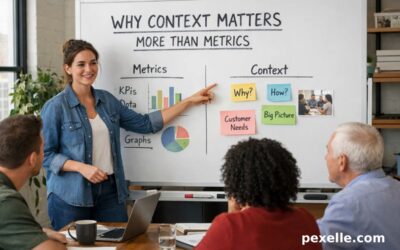
Resumes and interviews prioritize easily measurable attributes such as degrees, certifications, job titles, and quantifiable achievements. These formats are optimized for efficiency rather than completeness. Employers must evaluate large numbers of candidates quickly, so structured information becomes necessary.
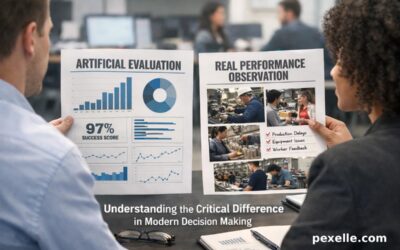
However, this structure inherently excludes skills that emerge through behavior, interaction, and real-world performance. Many of the most important human capabilities appear only when individuals face real challenges, collaborate with others, or navigate complex situations over time. Traditional hiring tools therefore capture credentials but often overlook deeper competencies.
Rethinking How Skills Are Recognized
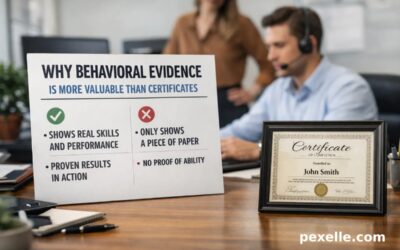
As work environments become more complex and technology evolves rapidly, organizations may need to rethink how they recognize human capability. Systems that incorporate behavioral evidence, real-world performance records, and collaborative feedback could provide a more accurate picture of a person’s true strengths.
New approaches might involve recording contributions during projects, documenting problem-solving actions, or capturing evidence of real interactions rather than relying solely on static summaries. Such models could help bridge the gap between visible qualifications and the broader spectrum of human ability.
Conclusion
Many of the most valuable professional skills remain invisible within traditional evaluation systems. Abilities such as contextual judgment, emotional stability under pressure, informal leadership, learning agility, practical problem solving, and trust building shape the real effectiveness of individuals within organizations.
Recognizing these hidden capabilities requires moving beyond resumes and interviews toward more comprehensive ways of observing human performance. By acknowledging the skills that often go undocumented, organizations can build a deeper understanding of talent and unlock potential that might otherwise remain unseen.
Source : Medium.com